
Why Facebook Alone Isn't Enough

30 October 2025

If you’re running a local business and thinking “I've got a Facebook page, that's enough,” then you could be missing out on a significant number of potential customers.


Nearly Half Your Market Isn’t on Facebook


Meta’s New Ad-Free Subscription

In a move that deals a blow to business reach, Meta has recently launched an ad-free subscription service in the UK. 


This means that while Meta is trying to entice you into spending your cash to promote your business page, they are also asking your potential customers to pay to not see your business adverts and sponsored content! 


The implications for businesses are significant: 


  • Reduced audience reach: As users subscribe, the pool of people who can see your ads shrinks. 
  • Loss of high-value customers: Higher-income users (often prime targets for many businesses) are more likely to choose the ad-free option. 
  • Increased advertising costs: With fewer people to reach and consistent advertiser demand, industry experts predict that advertisers will be paying more to reach fewer people. 


The subscription currently applies to users over 18 and covers both Facebook and Instagram; but importantly, your business has absolutely no control over who opts out of seeing your content. 


You Don’t Own Your Facebook Page

It may or may not seem obvious, but you don't own your Facebook page: Meta does. 


This means: 

  • Facebook can change the algorithm anytime, drastically reducing who sees your posts. 
  • Your page can be suspended or shut down with little warning or recourse. 
  • You’re completely at the mercy of Meta’s business decisions and policy changes. 
  • You have minimal control over how your page looks and functions. 


A website on the other hand is a business asset where you have a say on the design, the content, and the user experience. 


Visibility and Credibility

When someone in Kidderminster searches “best restaurant near me” or “emergency plumber,” they’re using search engines, not Facebook. A Facebook-only business will struggle to appear in the search engine results page for these high-intent searches; if you have the best service in town but people can’t find you when they’re actively looking, you’ll lose them to your competitors. 


When your potential customers are researching local businesses, which looks more legitimate? 


  • A) A professionally designed website with your branding, customer testimonials, detailed service information, and easy navigation. 
  • B) A Facebook page that looks like every other business page. 


The answer is obvious: A custom website signals that you’re a serious, established business that’s here for the long term. It shows you’ve invested in your professional presence and care about the customer experience. 


What Your Business Is Actually Losing

Let’s be specific about what a Facebook-only strategy costs you: 


Lost Search Traffic: Most local searches happen on Google. No website means no Google presence, which means missing customers who are actively looking for your services right now. 


Limited Functionality: Want to showcase a portfolio? Provide detailed product information? Take online bookings? Process payments? Facebook’s limitations make all this difficult or impossible. 


No 24/7 Sales Tool: Your website works around the clock, providing information and answers to questions, and converting visitors into customers even while your shop is closed and you’re asleep. 


Reduced Trust: Particularly among older demographics and for higher-value purchases, the absence of a website raises red flags about the seriousness of your business. 


No Control Over Customer Journey: On Facebook, your content competes with friends’ posts, other business pages, news articles, and endless distractions. And when a potential customer has interacted with your content the Facebook algorithms start showing them your competitor’s pages too. On your website, visitors focus solely on your business and what you offer.


The Bottom Line

Meta’s introduction of ad-free subscriptions is just the latest signal that relying solely on Facebook is increasingly risky for businesses. Combined with the fact that nearly half the UK population isn’t even on Facebook, the demographic shifts away from the platform among younger users, and the fundamental lack of control over your presence, the case for a proper website becomes overwhelming. 


A Facebook page is a useful tool for engagement and updates, but it should supplement your website, not replace it. Your website is your digital headquarters, your always-open shop front, your most professional face to the world. 


A business without is missing opportunities and gambling with its future. The question isn’t whether you can afford to build a website; it’s whether you can afford not to. 

Need help setting up a website?

Get in touch to discuss how a custom website can help your business reach the customers Facebook is leaving behind. 

4 Red Flags Review

Recent posts

A man in a suit is sat at a desk using a laptop, a red warning sign is superimposed over the image.
by Andy Beard 31 August 2025
Four critical questions to ask yourself about security, privacy, mobile-friendliness, and accessibility to check if your website is in urgent need of a redesign.

A person sitting in a café, browsing the web on their smartphone.
by Andy Beard 10 August 2025
In today’s digital landscape, having a mobile-friendly website isn’t just a nice thing to have, it’s absolutely essential for business success. If your website doesn’t perform well on mobile devices, you’re likely losing customers, revenue, and search engine rankings without even realising it.

Person holding a network of colourful people icons, representing diversity,and community.
by Andy Beard 4 July 2025
Website owners across Europe must ensure their websites meet new accessibility standards. Find out what you need to do to make your website compliant.
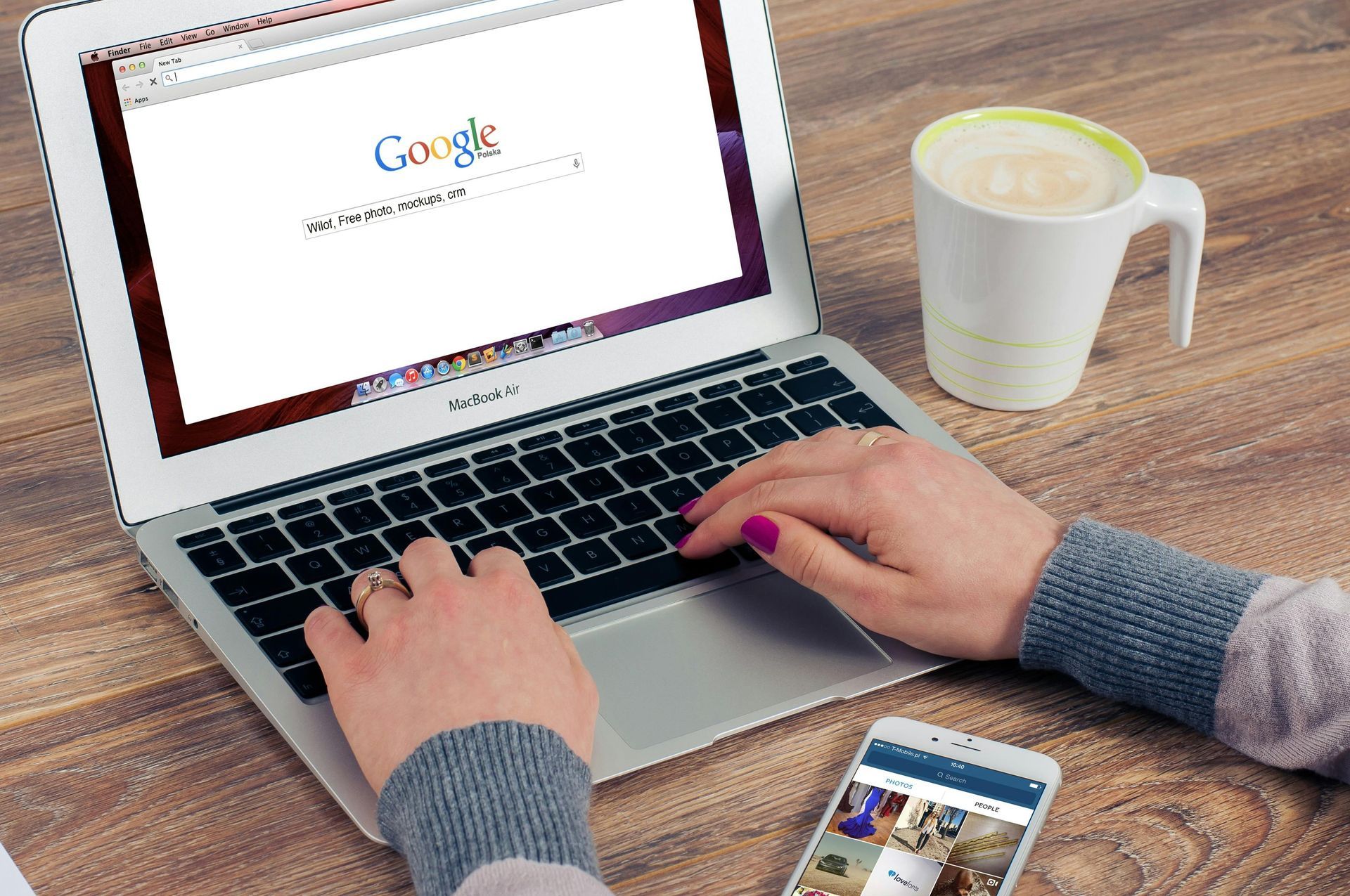
A person using Google on on a laptop, with a cup of coffee and a smartphone showing Instagram.
by Andy Beard 23 February 2025
Search Engine Optimization (SEO) is essential for increasing your website’s visibility on Google and attracting organic traffic. Whether you’re a small business owner or a blogger, understanding SEO basics can help you rank higher and reach more potential customers.